Survive Daylight Saving Time: Tips to Sleep Better and Adjust to the Time Change

How to Reset Your Sleep Schedule This Spring
Yep, it’s that time of year again. The mornings are brighter, evenings stay lighter longer, and the buds of spring begin to sprout. And once again, daylight saving time comes to steal away an hour of your sleep.
Here’s how to get more restorative rest during daylight saving time with a few practical tips!


Understanding How Daylight Saving Time Affects Your Sleep
Your Circadian Rhythm and Sleep Cycles
Put simply, your circadian rhythm is your body’s internal 24-hour clock that tells you when you feel awake and when you feel sleepy. Therefore, when you stay up late scrolling on your phone or looking at a screen, the brightness can trick your brain into thinking it’s daytime, thus making it harder for you to fall asleep.
Within that rhythm, you move through different sleep cycles, such as light sleep, deep sleep, and REM sleep (which is very important). These sleep cycles are crucial in helping your body recover and your brain process information.
How Losing or Gaining Sleep Impacts Your Body
Since many people lose sleep as their body adjusts to daylight saving time, it’s extremely important to understand the effects of either losing or gaining sleep on your body. When you either lose or gain an hour of sleep due to a time change, your internal body clock doesn’t magically adjust to the change immediately.
Even something as small as a one-hour change can throw off your sleep schedule, hormone release, appetite, and even your energy levels, which can decrease your daily performance. To avoid feeling tired and run down after the time adjustment, follow these tips on how you can prepare your body in advance for the time change.
Prepare Your Body in Advance
The first step in adjusting to the daylight saving time change is practicing how to prepare your body in advance with these three simple tips:
-
Gradual shift: Start going to bed 15–30 minutes earlier/later a few days before the change.
-
Morning light exposure: Natural light cues your internal clock.
-
Avoid caffeine and heavy meals late in the day to help your body wind down.
Yep, it’s as simple as that! Giving your body more time to prepare for a decrease in sleep will help minimize grogginess after the time change.
Optimize Your Sleep Environment
 Next is adjusting your body to the time change by creating a more peaceful, restorative rest space.
Here are three ways you can optimize your sleep environment:
-
Keep your bedroom dark, quiet, and cool.
-
Consider blackout curtains or a sleep mask for earlier darkness.
-
Limit screen time before bed to reduce blue light exposure.
The better the sleep environment, the more likely your body will adjust faster to the time change. Another great way to optimize your sleep environment is by investing in clean, organic bedding that is healthier for your skin.
Don’t sleep on our Organic Cotton Percale Sheet Set, which is the perfect choice if you love crisp, cool, elevated sleep.
Smart Sleep Habits on Day 1 of Daylight Saving Time
Now that you know how to prepare in advance for daylight saving time, here’s how you can efficiently and effectively implement smart sleep habits on the first day of daylight saving time:
-
Stick to your new schedule even if you’re tired.
-
Take short naps if needed (20–30 min max).
-
Stay active during the day to reinforce natural sleepiness at night.
Consistency in following these sleep tips is key to adjusting to the sleep change as quickly as possible and will greatly improve your energy levels after daylight saving time.
Boost Your Sleep Quality

Here are three easy ways you can increase the quality of your sleep:
-
Use calming bedtime routines: reading, meditation, or gentle stretches.
-
Prioritize consistent wake-up times—even on weekends.
-
Track your sleep patterns to see improvements.
Whether there is a time change or not, prioritizing high-quality sleep is always important.
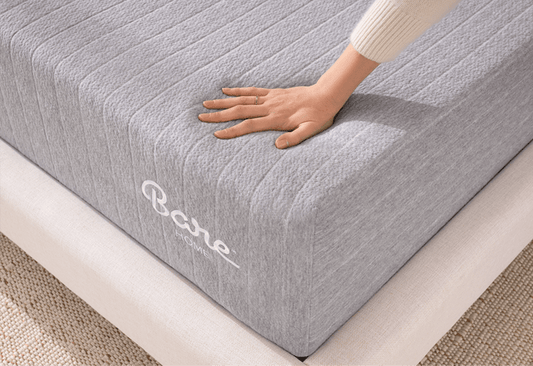
If you’re interested in sleeping on a soft, certified-clean mattress, check out our Clean Classic Mattress to increase your sleep quality.
Extra Tips for a Smooth Sleep Transition
A few other ways you can help your body adjust to daylight saving time are by following these easy tips:
-
Adjust meal times gradually to match the new schedule.
-
Limit alcohol and sugary snacks before bed.
-
Consider natural sleep aids like herbal teas if needed.
While they may seem like small steps in helping your body become acclimated to daylight saving time, your body will thank you in the long run when you have better performance in your daily tasks.
Remember that it’s completely normal for your body to take a few days to adapt to the time change this spring, but with the help of these simple tips, your transition to better sleep after daylight saving time will be much smoother. Save these tips to prepare in advance for next year’s daylight saving time, and your body will thank you later.


Shop The Products We're Talking About


Keep Reading

How to Reset Your Sleep After the Holidays
Is It Time for a New Mattress? 7 Signs It’s Time to Upgrade