Quilt vs Coverlet vs Blanket as a Layer

What a quilt does as a layer
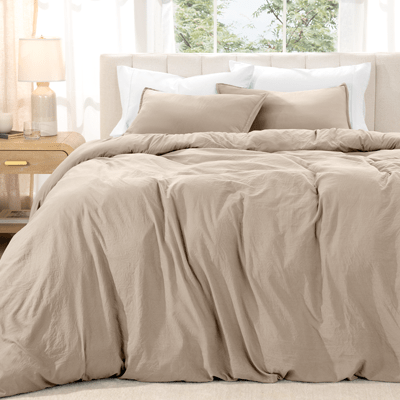
A quilt is face fabric, thin batting, and a backing held together by stitching. The stitches keep the batting from shifting, so the piece stays relatively flat instead of lofting into a cloud. Less loft means less trapped air, which is why a quilt usually feels cooler than a filled comforter of the same fiber once you are under it for more than a few minutes.
That flatness is the practical part. A quilt drapes over the edges of the mattress instead of sitting on top of it. It is harder to kick completely off in one motion when you warm up. Use it as the main top layer in a mild room, or add it over a light duvet insert when you want something you can peel back without opening the cover.
What a coverlet adds

A coverlet is the lightest of the three. It is typically a thin, finished piece meant to cover the sheets or sit on top of everything else. It has little to no loft, so it does not trap much air. Its job is coverage and a finished look, not insulation.
People use coverlet and quilt interchangeably, which is where the confusion starts. A true coverlet is thinner. It stays flatter and is easier to fold at the foot when you do not need the extra layer. In a room that only drops a couple of degrees, a coverlet on its own can be enough. Over a light insert, it adds a fold you can adjust without changing the warmth of the fill underneath.
If the piece you are looking at is labeled both ways or sold in a set with shams, check the actual thickness rather than the name. The lighter the construction, the more it behaves like a coverlet.
Where a blanket fits
A blanket is the broadest category. It can be a full-size bed layer or a smaller throw. Materials range from microplush and fleece to sherpa and knits. Unlike a quilt, it is not defined by stitched batting. Unlike a coverlet, it is not required to cover the whole mattress neatly.
That flexibility is the point. A blanket is the piece you keep at the foot or on a chair and pull up only when you want it. You can fold it in half, double it, or remove it entirely without the bed looking unfinished. A microplush or sherpa blanket adds surface warmth and texture more than loft. It does not replace a quilt or comforter if the room is actually cold.
The Microplush Blanket works well as this adjustable layer. It is soft enough to sit against skin or over a quilt without adding bulk. The Sherpa Blanket does the same job with more surface pile on one side. Neither is a substitute for a bed-sized stitched layer when you need even coverage.
How to stack them without overheating
Start with the flattest piece that still feels right, then add. Sheets first, then a light coverlet or quilt if the room is mild. Add a blanket only for the part of the night or the part of the bed that needs it. High-loft comforters go under or instead of these only when the room is cold enough that the loft is useful rather than excess.
The common mistake is stacking two lofted pieces. Two filled layers trap more air than most people need once the furnace is on or the windows are closed. A quilt or coverlet over a light insert, plus a blanket you can move, gives you more control than swapping the whole top layer.
Shop the stitched options in comforters and quilts and the flexible layers in blankets and throws. Every item in the catalog is OEKO-TEX Standard 100 certified. GOTS applies only to select organic products, so do not assume a quilt or blanket is organic unless that specific item says so.
The short version
-
A quilt is stitched layers with thin batting. The stitches keep it flatter and usually cooler than a lofty comforter.
-
A coverlet is the lightest finished piece. It covers and folds easily. It is not built to trap air.
-
A blanket is the flexible extra. Fold it, double it, or leave it at the foot. It is not required to cover the whole mattress.
-
Add the flatter layer first. If the room only needs a little more warmth, a quilt or coverlet plus a movable blanket is usually enough.
-
Kicking layers off is often heat. A piece that drapes and can be partially removed is easier to manage than one high-loft insert that has to come all the way off.
Shop The Products We're Talking About


Keep Reading
When to Use a Warmer Duvet for Winter
Why Your Comforter Makes You Sweat at Night