Do You Need a Top Sheet?

What a top sheet actually does
The flat sheet keeps skin contact off the comforter or duvet insert. That means you wash a thin sheet more often and leave the heavier top layer cleaner longer. It also adds a light buffer of fabric, which some people find more comfortable than sleeping directly against a duvet cover.
In a traditional American setup the order is fitted sheet, top sheet, then comforter or duvet. In the European-style setup the order is fitted sheet, then duvet cover with insert. No flat sheet in between. Both are functional. They just move the laundry load to different pieces.
Why people skip the top sheet
Less laundry
If you use a duvet cover, the cover is already the washable layer that touches your skin. You can wash the cover on a normal cycle and leave the insert alone for months. Adding a top sheet creates one more item to strip, wash, and remake. For people who want the simplest weekly routine, the fitted sheet plus duvet cover is enough.
Faster bed-making
With no flat sheet to tuck or fold back, making the bed is pull the duvet up and you’re done. Hotel-style layers take more steps. The European approach trades that for speed.
Temperature control
Some hot sleepers prefer fewer layers next to the skin. The duvet cover alone can feel cooler than a cover plus a flat sheet. Others find the extra layer useful as a light buffer on cooler nights. It depends on the room and how you sleep.
Brooklinen and Boll & Branch both publish posts on this exact choice. The pattern is consistent: the top sheet’s main practical job is protecting the top layer. Once a removable duvet cover does that job, the flat sheet becomes optional.
When you still want a top sheet

Keep the flat sheet if you sleep under a standalone comforter with no cover. The comforter then becomes the piece that touches your skin, and washing a filled comforter is heavier work. A top sheet keeps that washing infrequent.
Keep it if you like the tucked-in feel. Some people prefer the slight resistance of a tucked top sheet over a free-floating duvet. The flat sheet also lets you fold the top edge down for a finished look without exposing the insert.
Keep it if you share the bed and one of you runs cold. The top sheet gives a light middle layer that can be pulled up or kicked off independently of the heavier duvet.
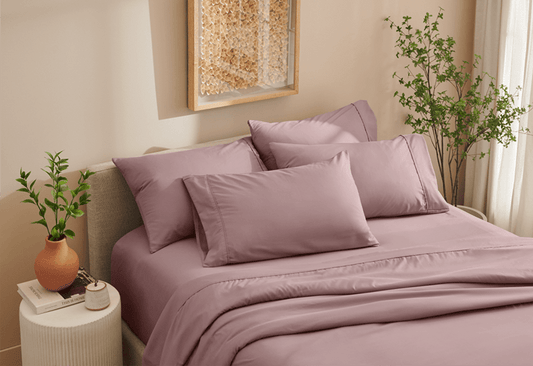
Bare Home sheet sets in the sheets collection include a fitted sheet, a flat sheet, and pillowcases. You can use the flat sheet or leave it in the closet. Duvet covers are in the duvet covers collection. Inserts are sold separately in the duvet inserts collection.
How to set up the bed either way
With a top sheet: fitted sheet on the mattress, flat sheet on top, then duvet or comforter. Tuck the sides if you want a neat edge. Fold the top of the flat sheet back over the duvet for the classic look.
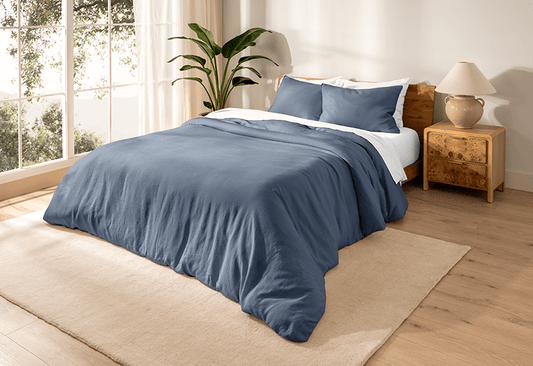
Without a top sheet: fitted sheet only, then duvet cover with the insert inside. Make sure the cover has interior ties so the insert does not shift. Fold the top of the duvet back if you want the pillows framed. That is the full European-style setup.
Either way, wash the piece that touches your skin most often. With a top sheet that is the flat sheet. Without one, it is the duvet cover. Pillowcases still need more frequent washing than either.
The short version
A top sheet protects the top layer. Its main job is keeping body oils and sweat off the comforter or duvet insert.
A duvet cover does the same job. Once you have a removable cover, the flat sheet becomes optional.
Skipping it cuts laundry and bed-making time. Fitted sheet plus duvet cover is the simpler routine.
Keep the flat sheet with a standalone comforter. Without a cover, the top sheet is what you wash instead of the filled piece.
Temperature and preference still matter. Some people want the extra light layer. Others prefer fewer fabrics next to the skin.
Sheet sets include the flat sheet either way. Use it or store it. The choice does not change what you buy.
Shop The Products We're Talking About


Keep Reading
Why Bare Home's Microfiber Sheet Set Is PopSugar's Top Choice for Affordable, Comfortable Bedding from Target
How to Put on a Duvet Cover

Bringing the Outdoors In: How Nature Shapes the Way We Sleep